


Granada is a unique gastronomic destination, where Mediterranean flavours blend with Arab influences, creating dishes full of tradition and character. The culinary richness of this region goes far beyond what you imagine.
From delicious starters to hearty stews, Granada’s traditional dishes are the result of centuries of history and a privileged natural setting. Want to discover them? Here we’ll tell you which must-try dishes you have to taste if you visit this charming city.
What are Granada’s traditional dishes?
Granada offers an impressive variety of traditional dishes you should try to experience the true essence of the region. Here’s a detailed description of the most iconic ones:
Broad beans with ham and fried egg
This dish is a true tribute to the area’s fresh ingredients. Tender broad beans, picked at their peak, are sautéed with extra virgin olive oil—an excellent-quality product in Granada. To these beans, thin strips of serrano ham are added, whose salty flavour contrasts spectacularly with the beans’ sweetness.
The finishing touch is a fried egg; when you break the yolk, it mixes with the rest of the ingredients, taking the dish to a new level of creaminess and flavour. It’s perfect with a good chunk of bread, making this an unbeatable gastronomic experience.
Plato alpujarreño
The plato alpujarreño is a delicacy that brings together several key ingredients of Granada’s diet, especially from the Alpujarra region. It’s a hearty, high-calorie dish, ideal for cold days in the mountains. It includes fried potatoes as the base, blood sausage, chorizo, pork belly, and a fried egg. It’s also usually served with roasted peppers and serrano ham. Each ingredient has its purpose: the meats add flavour and substance, while the vegetables and potatoes balance the whole.
It’s the perfect dish to savour Granada’s authentic rural cuisine, whether in a mountain setting or even in the city, where it’s very popular in tapas bars.
Remojón granadino
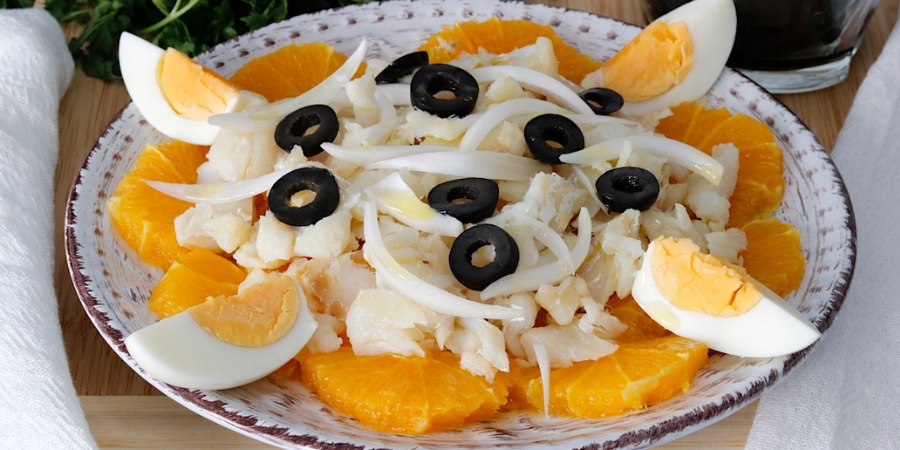
If there’s one dish that shows the Arab influence on Granada’s cuisine, it’s remojón granadino. It’s a cold salad that combines desalted cod, orange, onion, hard-boiled egg, and olives. This combination, which may seem unusual, creates a surprisingly refreshing dish full of nuance. The cod brings saltiness, while the orange adds a tangy and sweet touch at the same time. The olives and onion add texture and extra flavour.
It’s ideal for the warmer months, and an excellent option for those looking for something light but full of flavour. What’s more, remojón granadino is a great example of how Granada makes the most of products from both sea and land, creating a perfect symbiosis.
Olla de San Antón
The olla de San Antón is a traditional recipe cooked especially during the San Antón festivities in January. It’s a hearty spoon stew made with legumes such as broad beans and beans, and various parts of the pig, such as ear, tail, or snout. It also includes blood sausage, pork belly, and rice, which give it a unique flavour and texture.
This dish reflects a no-waste style of cooking, where every part of the animal has its place in the recipe. Although it’s a hearty dish, it’s perfect for fighting off cold winter days. In rural areas of Granada it’s very popular, and many families make it to celebrate this festivity, creating a meal rich in traditional flavours.
Sacromonte omelette
The Sacromonte omelette is probably one of Granada’s most distinctive dishes. It’s a Spanish omelette that includes uncommon ingredients such as brains and lamb sweetbreads, which give it a very particular flavour. This dish, which originated in the iconic Sacromonte neighbourhood, is a showcase of the city’s most authentic cooking. While it may sound exotic to many, mixing these ingredients with beaten eggs, potatoes, and sometimes chorizo creates a juicy omelette full of character.
It’s a real challenge for the more adventurous, but those who try it are often pleasantly surprised by its unique flavour. In some restaurants and zambras in Sacromonte, such as the Cueva de los Amayas, it’s a dish offered to visitors looking for an authentic culinary experience.
Fried aubergines with honey
Fried aubergines with honey are a simple but absolutely delicious dish. The aubergines are sliced thinly, lightly floured, and fried until crispy on the outside and tender on the inside. The finishing touch is cane honey, drizzled over the aubergines, creating a perfect sweet-and-savoury combination. This dish is very popular as a tapa in Granada and is deeply rooted in Andalusian cuisine. Its simplicity hides an explosion of flavours that wins over anyone who tries it. What’s more, it’s a clear example of how humble ingredients can be transformed into a true delicacy.
Choto al ajillo
Choto al ajillo is another standout dish in Granada’s cuisine. Choto meat (young goat) is slow-cooked with a sauté of garlic, white wine, and aromatic herbs, giving it an extraordinary flavour. The secret to this dish lies in the freshness of the ingredients and the patience to cook the meat until it’s tender and juicy. It’s often served with fries or vegetables, and it’s ideal to enjoy in a relaxed meal with family or friends.
In restaurants such as the Cueva de los Amayas, you can savour this dish while immersing yourself in an unforgettable flamenco experience.
Traditional desserts from Granada
In addition to its savoury dishes, Granada also has a strong dessert tradition, many of them inherited from Arab influence.
Piononos
Piononos are Granada’s most iconic dessert, originally from the town of Santa Fe. These small cakes are made from a fluffy sponge soaked in syrup and rolled up, topped with custard and a thin layer of caramelised sugar.
Their texture is soft and their flavour delicate—perfect with a coffee after a good meal. Even though they’re small, their flavour is big, and it’s hard to resist eating just one.
Poleá
Poleá is a traditional dessert that comes from humble home cooking. It’s a sweet porridge made with flour, milk, and sugar, flavoured with anise and cinnamon. Although its origins are simple, the result is a dessert full of flavour with a creamy, comforting texture. It’s ideal for the colder months, and its taste will take you back to grandma’s kitchen.
Granada is a true paradise for lovers of good food. Its cuisine is full of unique flavours, combining the best of tradition and local culture. And if, after enjoying these dishes, you’re still hungry for culture, what could be better than a flamenco show at the Cueva de los Amayas? Here you’ll not only savour the best of Granada’s cuisine, but also experience flamenco at its purest. Don’t miss it!